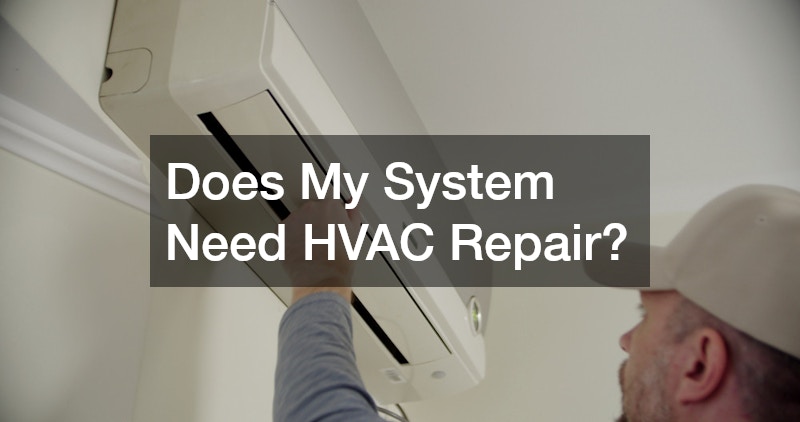
Recognizing the common signs that your HVAC system needs repair can save you both time and money. If you notice unusual noises such as grinding, squealing, or banging, these may indicate mechanical issues within the system. Inconsistent temperatures throughout your space can suggest problems with your system’s airflow or thermostat issues. A spike in your energy bills, not attributable to seasonal changes, could mean your HVAC system is working harder than necessary. A failing system may also emit strange odors, hinting at electrical issues or mold within the ductwork.
One of the more apparent signs that your HVAC system requires attention is inadequate airflow. This issue often results from blockages within your air ducts, possibly due to dirt buildup or a faulty motor. Sometimes, the problem might be a leak in the ductwork causing the air to dissipate before it reaches its destination. Airflow issues can lead to additional stress on the system, further compounding the problem. Regular inspection and cleaning can help mitigate these issues, extending the life of your system.
If your HVAC system experiences frequent cycles, even in mild weather, it’s a clear indicator of needed repair. Such cycling can result from various factors, including a clogged filter, an issue with the thermostat, or major parts malfunctioning. While a system naturally cycles more during extreme weather, constant cycling is inefficient and a sign something is amiss. Addressing these concerns promptly can prevent further damage and improve your HVAC’s overall efficiency. It’s advisable to seek professional evaluation if you notice any of these signs.
How Can Regular Maintenance Prevent HVAC Repairs?
Regular maintenance is crucial in preventing unexpected and costly HVAC repairs. By scheduling routine inspections and servicing, you can identify potential problems before they escalate into major issues. During maintenance, professionals typically clean components, check the system’s refrigerant levels, and ensure everything is operating correctly. Preventative maintenance not only saves you from sudden failures but also enhances your system’s efficiency. Proper care can significantly extend the lifespan of your HVAC unit, delaying the need for replacement.
A critical component of routine maintenance involves replacing or cleaning air filters regularly. Dirty or clogged filters can impede airflow, reducing the system’s efficiency and causing accelerated wear on parts. By ensuring clean filters, you help maintain proper airflow and reduce the stress on your system. This simple preventive measure also improves the quality of indoor air, reducing allergens and pollutants. Consequently, routine maintenance delivers both health and financial benefits.
Aside from technical maintenance, being observant and proactive with minor fixes can prevent larger repairs. For example, ensuring that nothing obstructs external vents or clearing debris around the outdoor unit allows the system to breathe and function correctly. An unobstructed unit operates more efficiently and has a lower risk of overheating and other associated issues. Taking note of how often and how long your system operates can also clue you into its efficiency and emerging problems. Remember, regular vigilance is key to long-term savings and efficiency.
When Should I Call a Professional for HVAC Repairs?
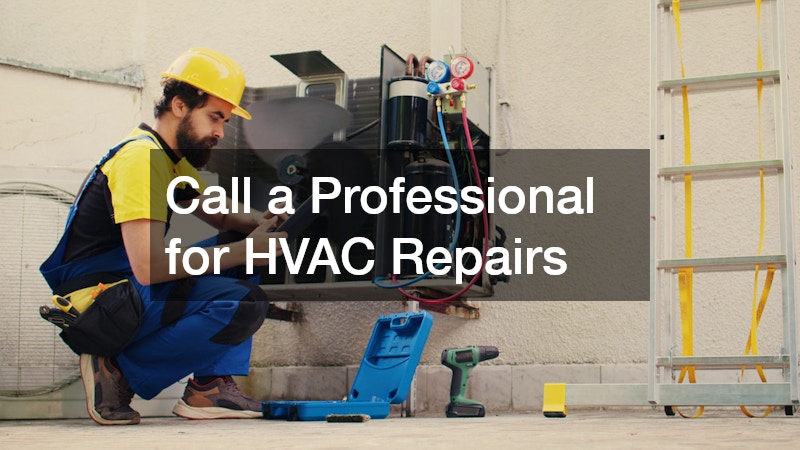
Knowing when to contact a professional for HVAC repairs is essential to maintain a functional system. If your attempts to troubleshoot do not resolve the issue, it’s wise to consult a licensed technician. Professionals possess the necessary skills and equipment to diagnose and fix issues accurately. Attempting to repair complex HVAC systems without appropriate knowledge can lead to more damage and void warranties. Taking swift action can also prevent minor problems from becoming costly repairs.
Unexpected breakdowns, especially during peak usage times such as winter or summer, are signs that you need professional intervention. An HVAC expert can quickly get the system running correctly, reinstituting comfort in your home or office. Additionally, if your system repeatedly fails to meet your set temperature or you observe persistent issues despite previous repairs, a comprehensive evaluation by a professional might be necessary. Thorough inspection and rectification can restore both function and efficiency in your system. Regular maintenance checks from professionals ensure that any potential issues are addressed before they escalate.
If you notice your HVAC system emitting unusual sounds or smells, professional assistance is necessary. Such occurrences can indicate severe electrical or mechanical issues that need expert attention. Ignoring these signs can pose risks, including fire hazards or electrical failures. A certified technician can identify the cause of these anomalies, ensuring your system operates safely and effectively. It’s always better to err on the side of caution and seek professional help to avoid compromising your household’s safety and comfort.
What are the Most Common HVAC Repairs?
The most common HVAC repairs usually arise from components such as the thermostat, blower motor, and refrigerant system. Thermostat malfunctions can lead to a unit not heating or cooling accurately, causing discomfort and inefficiencies. Often, the solution involves recalibrating the thermostat, replacing batteries, or in some cases, replacing the unit altogether. Issues with blower motors can stem from a lack of lubrication, excessive dust accumulation, or electric problems. Blower motor repairs typically involve cleaning or replacing the motor to restore efficient airflow.
Refrigerant leaks are another prevalent problem that impacts the HVAC system’s cooling function. When refrigerant levels are low due to leaks, the system struggles to maintain the desired temperature, leading to increased strain and energy usage. A professional technician should address leaks to ensure proper sealing and refill of refrigerants, preventing environmental harm and restoring system efficiency. Additionally, clogged drains and dirty coils are common repair needs, as they can cause system overheating or freezing, necessitating professional cleaning and maintenance.
Lastly, electrical and mechanical component failures are frequent repair issues encountered in HVAC systems. Worn-out belts, faulty wiring, or broken components can halt system operation or impair its functionality. Electrical issues, in particular, require prompt attention to avoid short circuits or fire hazards. Regular inspection by a qualified technician can detect these issues early, minimizing operational downtime and avoiding extensive damage. Regular maintenance can substantially reduce the occurrence of such common repair needs, contributing to the longevity of your system.
How Much Do HVAC Repairs Cost?
HVAC repair costs can vary significantly based on the issue’s complexity and the system’s age. Minor repairs, such as replacing a thermostat battery or filter, can be relatively inexpensive. However, more extensive repairs, like fixing a refrigerant leak or replacing a blower motor, tend to be more costly due to parts and labor. On average, homeowners might spend anywhere from $150 to $450 for typical HVAC repairs. Maintaining a reserve for unexpected repairs is prudent, as failure to address issues promptly can lead to more significant problems and costs.
The system’s age plays a significant role in determining repair costs. Older systems may have outdated parts, making them difficult or costly to replace. In such cases, repair expenses can sometimes approach the cost of full system replacement. Considering the system’s energy efficiency and overall condition can help weigh the benefits of repair against replacement. Investing in a newer system may prove more cost-effective in the long run, given improved efficiency and reliability.
Preventive maintenance costs are minimal compared to potential repair expenses. Regular service checks by professionals can prevent expensive breakdowns, offering peace of mind and extending the system’s life. It’s wise to budget for annual maintenance to avoid surprise financial burdens of emergency repairs. Investing in a service contract can provide scheduled checks, discounts on repairs, and priority service, offering significant value and cost savings over time. By understanding potential repair costs and planning accordingly, homeowners can safeguard their comfort and the system’s functionality.
The effective maintenance and repair of HVAC systems encompass a range of practices that, when adhered to, promise reliability, efficiency, and safety. Establishing a routine for regular system checks and not delaying repairs can prevent unexpected system failures and costly replacements. It’s important to recognize the role HVAC systems play in the comfort and health of indoor environments, making their upkeep a worthy investment.
By fostering an understanding of its components and their functions, property owners and managers can ensure these systems run smoothly year-round, achieving balance in climate control, air quality, and energy consumption. Remember, an efficient HVAC system is not only beneficial for personal comfort but is also kind to the environment.