Investing in home improvements can significantly enhance energy savings, which can lead to cost reductions over time. By focusing on key infrastructures like heating, appliances, and water systems, homeowners can achieve greater energy efficiency. Understanding the intricate relationship between these elements is pivotal for making informed decisions.
1. How can heating and AC contractors help in reducing energy costs?
HVAC contractors play a crucial role in maintaining optimal indoor climates efficiently. Regular maintenance is essential to ensuring that HVAC systems are functioning at their best capacity, reducing unnecessary energy expenditure. Furthermore, by opting for energy-efficient HVAC systems, homeowners can lower their utility bills significantly while maintaining comfort.
Choosing the right HVAC contractor is vital to realizing these benefits. Competent contractors offer insightful recommendations on system upgrades and energy-saving practices. Moreover, their expertise ensures that installations and repairs maximize energy efficiency, contributing to cost savings over time.
Another important aspect is the availability of modern, high-efficiency HVAC technologies. These technologies include advanced thermostats and variable-speed systems that adapt to home needs dynamically. Investing in such systems can result in a considerable drop in energy consumption, making them pay for themselves in the long run.
2. What role do appliance services play in energy savings?
Identifying energy-draining appliances lies at the heart of optimizing energy use at home. Appliance removal services can help pinpoint and safely remove obsolete units that contribute to high energy bills. Transitioning to newer, energy-rated appliances not only improves efficiency but also reduces environmental impact.
Safe removal and disposal of old appliances ensure compliance with environmental regulations and pave the way for upgraded unit installations. Appliance removal services are adept at this task, ensuring minimal disruption and hassle for homeowners. The transition phase is seamless, contributing positively to the household energy profile.
Replacing old appliances with energy-efficient models is a pivotal step toward achieving long-term savings. Modern devices consume significantly less energy thanks to innovative designs and technologies. As a result, homeowners experience reduced utility bills and enhanced performance from their upgraded appliances.
Energy-efficient refrigerators, dishwashers, washing machines, and dryers can reduce both electricity and water consumption during everyday use. Many newer appliances include improved insulation, efficient motors, and adjustable settings that match performance to the size of each load. These features help households avoid wasting resources without sacrificing convenience or reliability.
Smart appliance features may provide additional savings by allowing homeowners to monitor usage, schedule operating times, and receive maintenance alerts. Running certain appliances during off-peak hours may lower costs in areas with time-based utility pricing. Early notifications about clogged filters, worn components, or performance issues can also prevent excess energy use and unexpected repairs.
Updated appliances can make a home more appealing to potential buyers, particularly when the models complement the kitchen or laundry area’s design. Buyers may value the opportunity to move into a property without immediately replacing outdated equipment. By combining lower operating costs, improved performance, and a refreshed appearance, energy-efficient appliances can support both everyday savings and increased property value.
3. Can toilet and faucet repair contribute to energy savings?
Toilet repair might not immediately come to mind when thinking about energy savings, but fixing leaks plays a significant role in water conservation, indirectly affecting energy use. Leaky toilets can waste gallons of water daily, thus impacting water heating systems. By addressing leaks promptly, homeowners can prevent unnecessary water and energy loss.
Upgrading to low-flow toilets is another effective strategy for boosting water efficiency. These toilets are designed to use less water per flush, alleviating the load on water heating systems and reducing water waste. Toilet repair services often recommend such upgrades for homes aiming to become more energy-efficient.
The cost savings from enhanced plumbing efficiency can be substantial over time. Reduced water bills combined with decreased energy expenditure for heating make these upgrades economically favorable. Additionally, modern toilets often come with features that enhance functionality and user satisfaction.
4. How do new garage doors help in improving energy efficiency?
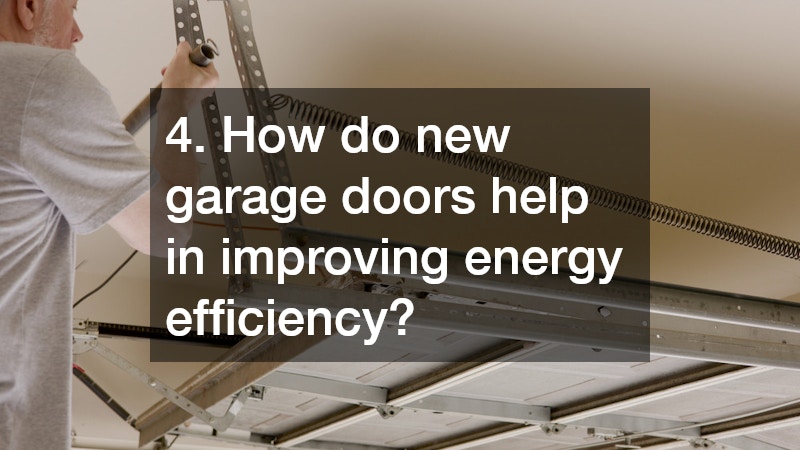
Garage door companies offer a range of solutions to improve residential energy efficiency. Insulated garage doors are a popular choice, as they effectively regulate temperature in this often-overlooked space. Proper insulation can prevent energy leaks and maintain the home’s overall temperature balance.
Proper sealing of garage doors significantly impacts energy loss mitigation. Air gaps or poor seals allow drafts to enter, causing heating or cooling systems to work harder. By addressing these gaps, homeowners can reduce energy costs and improve interior climate control.
Routine garage door maintenance is essential for long-term energy efficiency. Regular checks ensure that doors operate smoothly and efficiently, avoiding issues that could lead to energy loss. Maintenance services from a reputable garage door company can offer valuable insights into energy conservation strategies.
Inspecting weatherstripping is an important part of garage door maintenance because worn or damaged seals can allow outside air to enter the garage. Replacing cracked seals around the sides, top, and bottom of the door helps reduce drafts and temperature fluctuations. This improvement is especially valuable when the garage is attached to the home or located beneath a finished living space.
Homeowners should also check the door panels, tracks, rollers, springs, and opener for signs of wear. A garage door that does not close evenly may leave small gaps that contribute to unwanted heat transfer. Prompt repairs can restore a secure fit, improve daily performance, and prevent minor mechanical issues from developing into more expensive problems.
Upgrading to an insulated garage door can provide additional energy savings while improving curb appeal. Insulated models help moderate garage temperatures and may reduce the amount of heat or cold that reaches adjacent rooms. A well-maintained and energy-efficient garage door can also attract potential buyers by offering dependable operation, improved comfort, and lower long-term maintenance needs.
5. In what ways does waterproofing add to home energy efficiency?
Waterp roofing contractors offer vital services that prevent energy leaks through comprehensive basement repairs. A well-sealed basement acts as a barrier, stopping moisture and air infiltration, which can destabilize home temperatures. Effective waterproofing translates to less strain on heating and cooling systems.
Foundation waterproofing offers additional energy-conserving benefits. By preventing water intrusion, the integrity of insulation is preserved, maintaining internal temperature settings. Waterproofing solutions not only protect against structural damage but also bolster energy savings.
Choosing effective waterproofing techniques is crucial for maximizing energy efficiency. Techniques such as sealants and drainage systems cater to specific home needs, ensuring optimal protection. Consulting with waterproofing contractors can enlighten homeowners about the best strategies to implement.
6. How do roof contractors assist in creating an energy-efficient home?
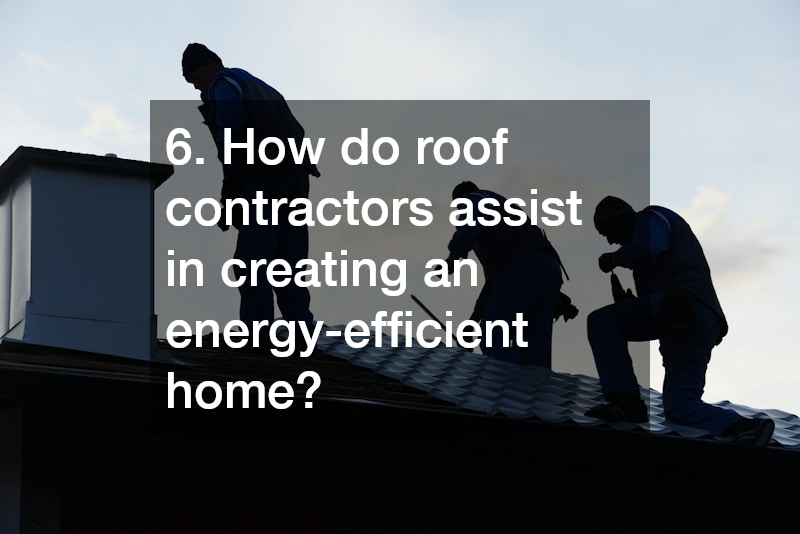
Roofing contractors are instrumental in deploying energy-saving roof solutions. Reflective roofing materials, for instance, help deflect sunlight, reducing heat absorption and lowering cooling costs. Homes with such roofs demonstrate enhanced temperature regulation and reduced energy usage.
The importance of attic ventilation cannot be overstated when it comes to energy efficiency. Proper ventilation aids in minimizing heat buildup, facilitating a more stable indoor climate. By engaging roofing contractors, homeowners can explore ventilation upgrades that contribute to significant energy savings.
A cost-benefit analysis of roof upgrades underscores the value of investing in quality materials and services. Advanced roofing options often come with longer lifespans and superior energy-saving features. The initial expense is offset by reduced energy bills and improved home comfort over time.
Energy-efficient roofing materials can further reduce household operating costs by limiting the amount of solar heat absorbed through the roof. Reflective surfaces, proper ventilation, and improved insulation help maintain more consistent indoor temperatures throughout the year. As a result, heating and cooling equipment may run less frequently, reducing energy consumption and unnecessary system wear.
Durable roof upgrades can also prevent expenses associated with leaks, moisture intrusion, and repeated repairs. Quality materials installed by experienced professionals provide stronger protection against wind, rain, snow, and temperature changes. Although maintenance is still necessary, a reliable roofing system can minimize unexpected problems and protect insulation, ceilings, walls, and personal belongings.
A recently upgraded roof may also increase buyer interest and strengthen a home’s resale value. Prospective buyers often appreciate knowing that they are less likely to face a major roof replacement shortly after purchasing the property. By combining durability, energy efficiency, and enhanced curb appeal, a quality roof upgrade can provide both immediate savings and lasting financial benefits.
7. Can hiring a pool builder result in energy savings?
Luxury pool builders have embraced eco-friendly innovations to enhance pool energy efficiency. Energy-efficient pool pumps and heaters have become standard, drastically reducing energy consumption while maintaining pool performance. These advancements contribute to lower utility costs and a smaller environmental footprint.
Utilizing solar covers is another effective strategy for pool energy savings. Solar covers trap heat and minimize water evaporation, significantly reducing the need for external heating. Homeowners can enjoy a warm pool without incurring higher energy costs.
Smart pool automation offers comprehensive control over pool operations, optimizing energy use. These systems allow homeowners to set precise operating times and energy levels, ensuring everything runs optimally. Investing in automation can lead to smart energy management and substantial savings.
8. What is the significance of mold removal on energy efficiency?
Mold removal services have both health and energy efficiency implications. Mold can compromise the effectiveness of insulation, leading to higher energy bills due to uncontrolled temperature shifts. By addressing mold issues, homes maintain better insulation integrity, benefiting both energy efficiency and occupant health.
Mold prevention enhances overall energy conservation. By maintaining a dry environment, the effectiveness of insulation is preserved, reducing the reliance on HVAC systems. A dry and well-insulated home consumes significantly less energy.
Advanced mold remediation techniques ensure comprehensive removal and prevention. These methods address root causes and minimize the risk of recurrence, ensuring home environments are safe and energy-efficient. Mold removal services thus play a vital role in maintaining a home’s energy needs.
Professional moisture control can further improve the results of mold remediation. Repairing plumbing leaks, sealing foundation cracks, and improving ventilation help eliminate the damp conditions that allow mold to spread. These improvements can also reduce humidity, protect insulation, and limit the amount of work required from heating and cooling systems.
Removing contaminated materials may also reveal opportunities to install more efficient insulation and moisture-resistant building products. Updated materials can help stabilize indoor temperatures and reduce unwanted heat transfer through walls, ceilings, basements, and crawl spaces. This combination of mold removal and energy-conscious restoration can lower utility expenses while protecting the structure from future damage.
Effective mold remediation can also increase property value by giving potential buyers greater confidence in the condition of the home. A clean, dry, and properly ventilated property is more attractive than one with visible mold, musty odors, or unresolved water damage. By addressing both contamination and its underlying source, homeowners can create a healthier living environment while supporting long-term efficiency and marketability.
9. Why is water heater maintenance critical for energy conservation?
Water heater services are essential for maintaining optimal energy efficiency. Regular maintenance ensures that heaters are operating efficiently, preventing energy waste from inefficient heating. A well-maintained heater can provide satisfying performance while minimizing energy use.
Upgrading to energy-efficient water heating systems is a strategic decision for long-term savings. Modern water heaters are designed to heat water using less energy, and innovations like heat pump technology offer significant efficiency gains. These systems reduce overall energy consumption.
Cost savings from upgrading to tankless water heaters are substantial over time. Tankless units provide on-demand hot water, thus avoiding the energy costs associated with maintaining a heated water reserve. Homeowners appreciate both the convenience and cost-effectiveness of these modern systems.
10. How does working with a contractor enhance home energy efficiency?
General contractors bring comprehensive home energy audit capabilities that identify weaknesses in a household’s energy use framework. These audits provide insights into potential upgrades that can boost energy efficiency across the board. Solutions derived from audits lead to systematic energy reductions.
Implementing whole-house efficiency upgrades promotes an integrated approach to energy savings. Such upgrades include better insulation, energy-star rated windows, and advanced climate controls. Partnering with a general contractor ensures these improvements are aligned with the latest efficiency standards.
Passive design features that general contractors recommend can significantly enhance energy savings. Designs that maximize natural light and ventilation reduce the need for artificial heating and lighting. These features embody an eco-friendly ethos that lowers energy dependency and costs.
Homeowners have a wide array of specialized services available to achieve significant energy savings. From HVAC systems to waterproofing solutions, each improvement enhances a home’s energy profile. By strategically investing in these areas, homeowners can realize tangible savings that ensure these enhancements pay for themselves over time.